Driver identification and nomination
Company vehicles may be used by different employees, making it essential to determine who was driving when an infringement occurred.
-1.png?width=2049&height=1025&name=Blog%20Banners%20(6)-1.png)

Traffic fines can appear to be a routine administrative issue. Across a large fleet, however, poor fines management can create unnecessary cost, consume internal resources, weaken driver accountability and introduce operational risk.
Ctrack has expanded its Crystal portfolio with the launch of Crystal Fines Management, a centralised solution designed to help businesses manage the fines lifecycle with greater visibility, structure and control.
The solution brings together fines, vehicles, drivers, supporting documentation and outstanding actions in a single environment, helping organisations move away from fragmented spreadsheets, emails and manual follow-ups.
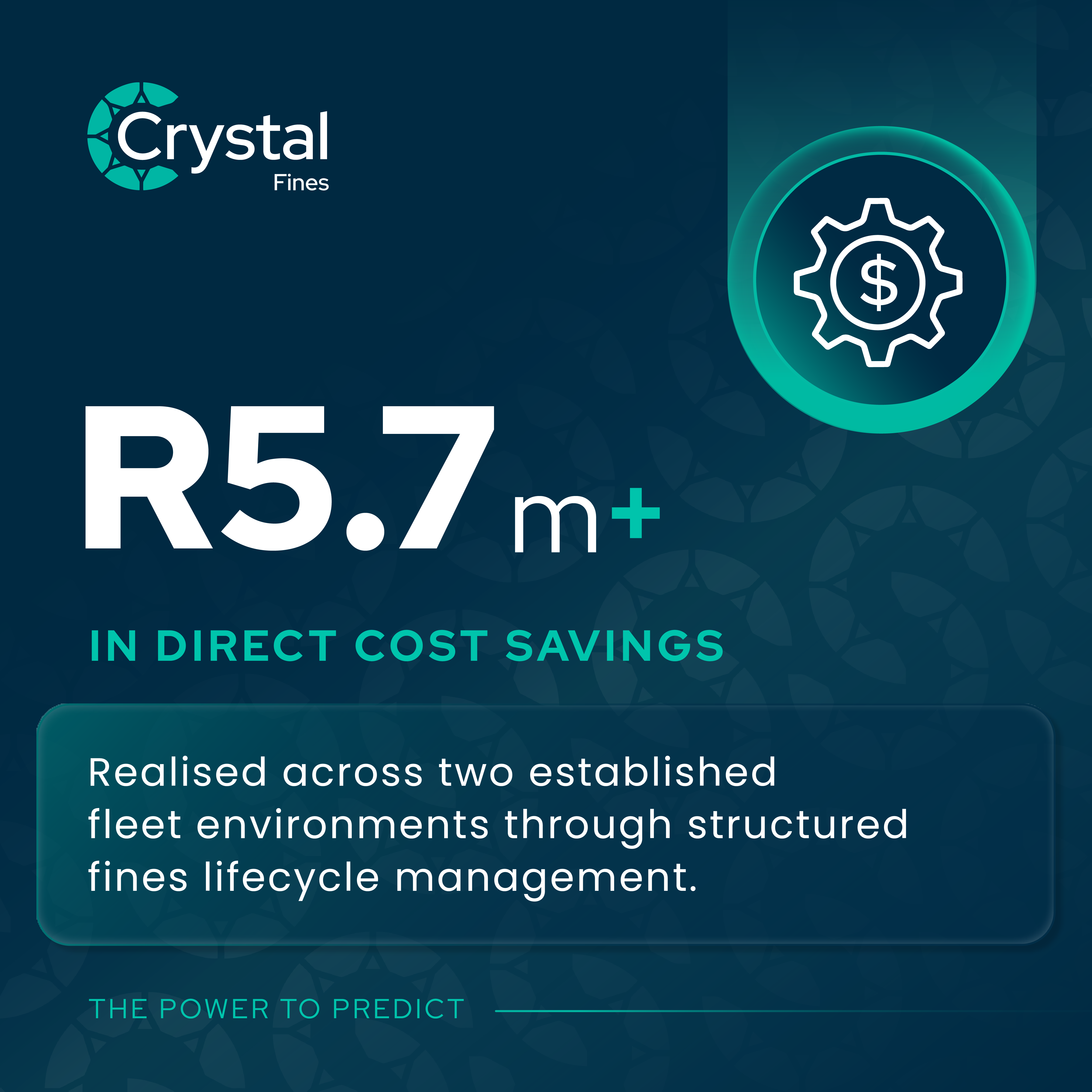
More importantly, structured fines management can deliver measurable business value.
Across two established customer environments, more than R5.7 million in direct cost savings has been realised, more than 16,500 fines have been brought to final completion, and more than 9,000 licence-disc renewals have been processed.
These results demonstrate that fines management is not simply an administrative function. Managed effectively, it can contribute to financial control, operational continuity, governance and driver accountability.
Managing traffic fines across a large business fleet can quickly become complex.
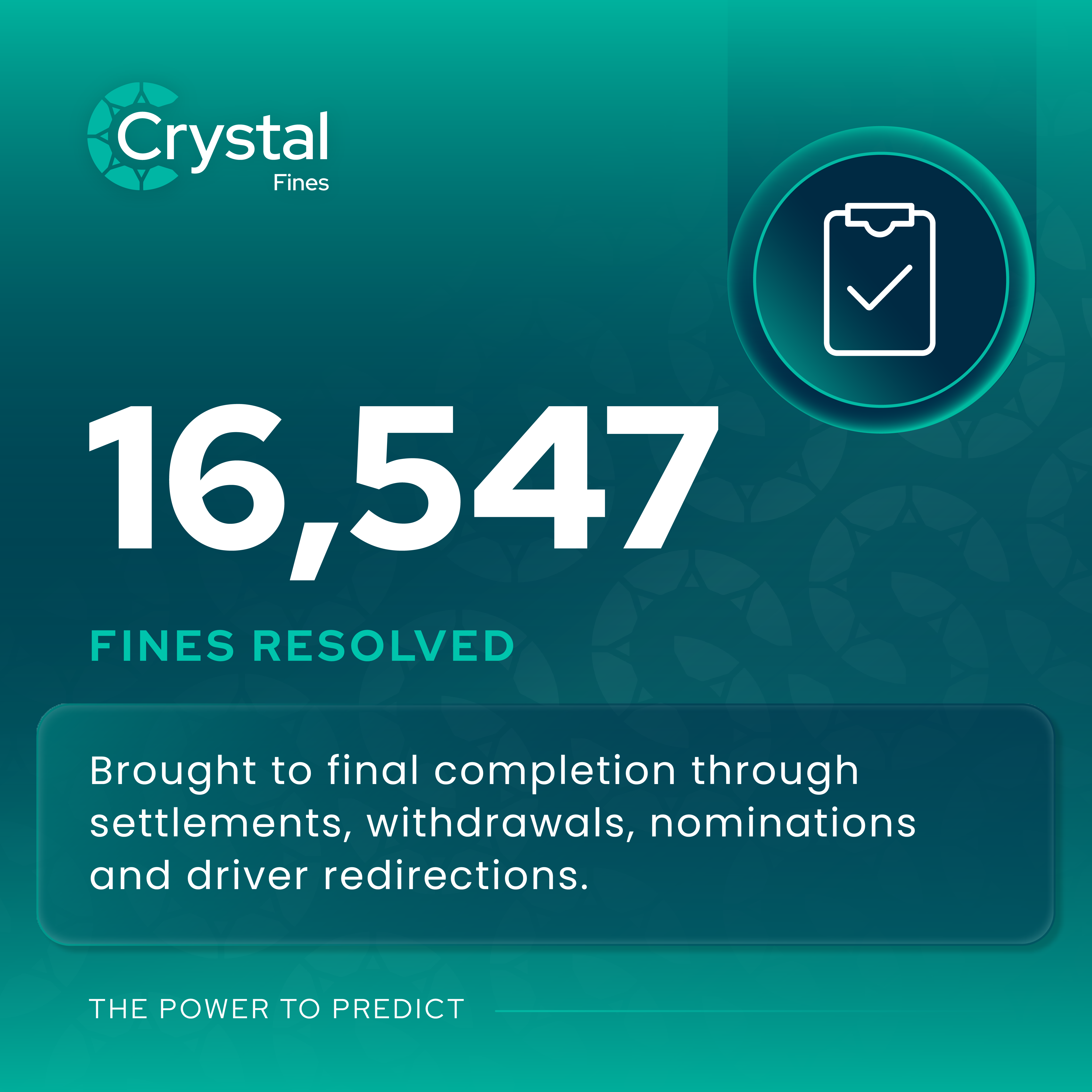
Notices may arrive through different channels, vehicles may be driven by multiple employees, and responsibility for addressing the fine may span fleet, finance, HR, payroll and operational teams.
Without a structured process, organisations can struggle to determine which fines remain outstanding, who was driving, what actions have already been completed and what still requires attention.
Crystal Fines Management provides authorised users with a consolidated view of fines associated with the organisation’s fleet and supports a more structured process for managing each matter through its lifecycle.
Notices may arrive through different channels, vehicles may be driven by multiple employees, and responsibility for addressing the fine may span fleet, finance, HR, payroll and operational teams.
Without a structured process, organisations can struggle to determine which fines remain outstanding, who was driving, what actions have already been completed and what still requires attention.
Crystal Fines Management provides authorised users with a consolidated view of fines associated with the organisation’s fleet and supports a more structured process for managing each matter through its lifecycle.
The value of structured fines management can be seen in large, operationally complex fleets.
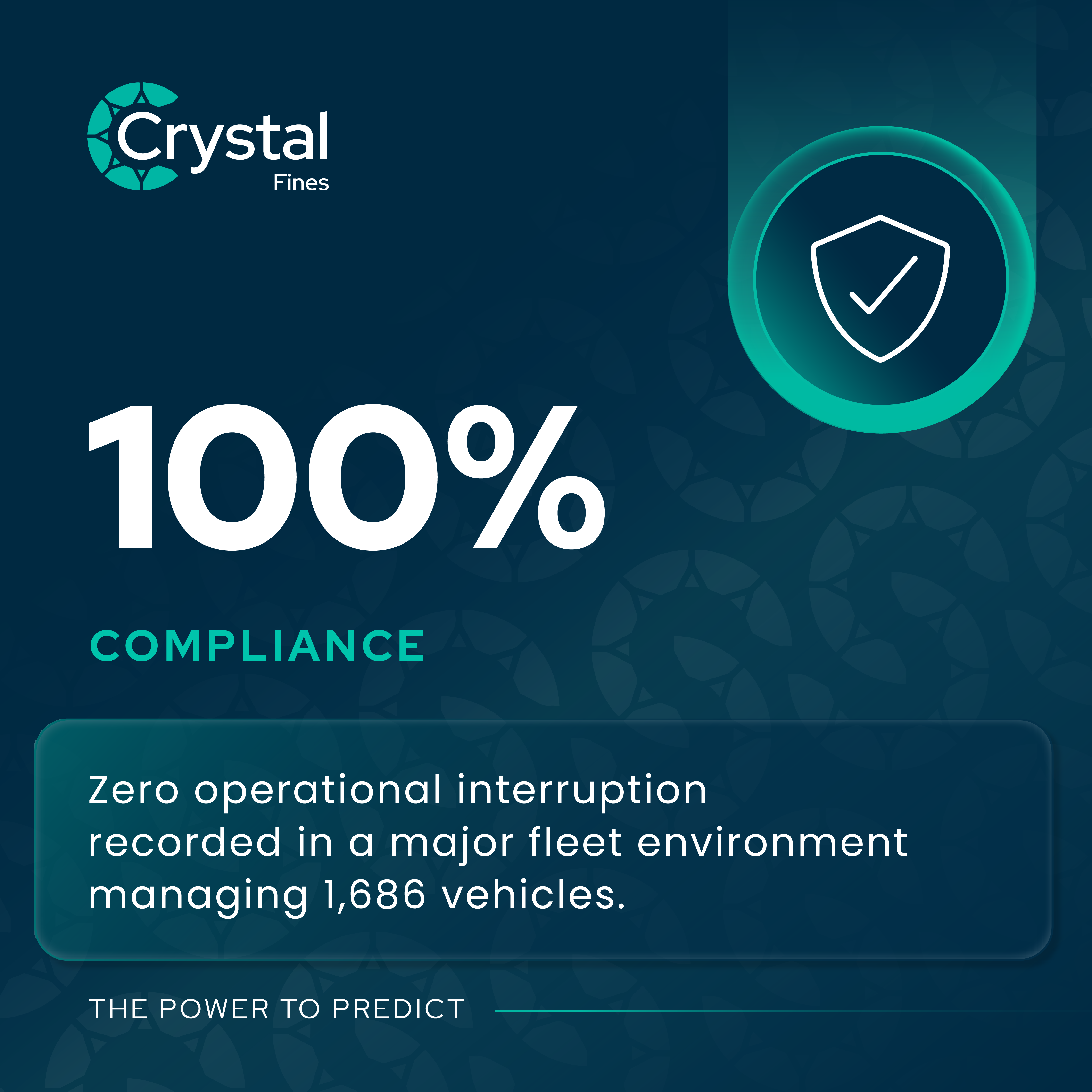
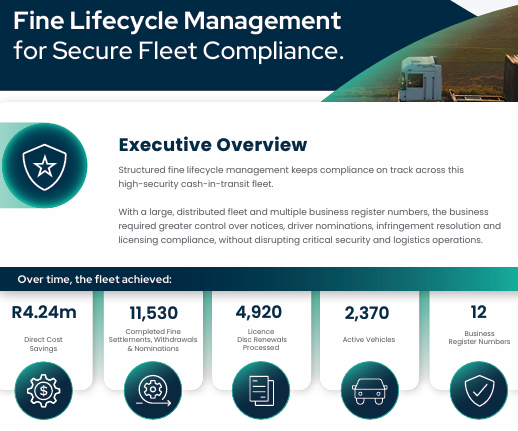
In a cash-in-transit and secure logistics environment covering 2,370 active vehicles across 12 business register numbers, the process delivered:
In a medical and pathology logistics fleet covering 1,686 active vehicles across eight business register numbers, the process achieved:
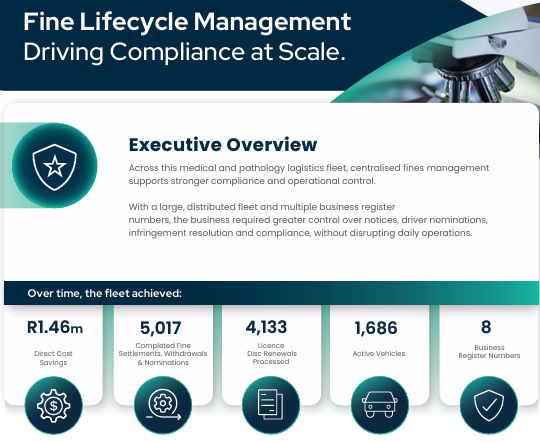
These results show the value of managing fines through a controlled lifecycle rather than treating each notice as an isolated administrative task.
The implementation of the Administrative Adjudication of Road Traffic Offences Act, commonly known as AARTO, has increased the need for businesses to review how effectively they manage traffic infringements.
Phase 2 of the rollout commenced on 1 July 2026, expanding implementation across 62 local and metropolitan municipalities.
As the demerit system becomes operational, certain infringements and offences may result in points being recorded against drivers and operators. This creates broader implications for driving licences, professional driving permits, operator cards, vehicle licence discs and fleet operations.
For fleet operators, accurate driver identification, timely nomination and visibility of outstanding actions will therefore become increasingly important.
This does not mean that a single unresolved fine will automatically remove an entire fleet from the road. However, repeated failures involving multiple drivers, vehicles or administrative processes can increase financial, compliance and operational risk.
Crystal Fines Management supports the process from fine identification and driver allocation through to notification, documentation, action tracking and reporting.
Authorised users can view relevant fine, vehicle and driver information, supporting documents, current status and outstanding actions through a centralised platform.
The solution supports:
The financial value of fines management extends beyond simply paying fines.
The customer environments referenced above demonstrate value achieved through driver redirections, settlements, legal withdrawals, representations, discount optimisation and notice dismissals where appropriate.
Technology does not replace an organisation’s legal and compliance responsibilities, nor does the platform alone guarantee a financial saving. Instead, Crystal Fines Management provides the visibility and structure required to manage the broader fines process more effectively.
That visibility also supports operational continuity.
A vehicle that cannot operate can affect deliveries, field services, customer commitments, security operations and other critical activities. Managing fines and associated licensing processes effectively helps organisations identify and address issues before they create wider operational disruption.
As part of the Ctrack Crystal portfolio, Crystal Fines Management extends the value of connected fleet information beyond vehicle tracking.
It brings vehicles, drivers, fines, documents and required actions together through a single structured process.
This helps businesses:
As the road traffic environment continues to evolve, businesses need to understand not only which fines remain outstanding, but also the financial, administrative and operational implications associated with them.
The experience of established fleet environments demonstrates that structured fines management can create measurable value, from significant direct cost savings to thousands of resolved fines and licence renewals processed across large fleets.
Crystal Fines Management gives businesses the visibility, structure and control needed to manage fleet fines more effectively and turn a traditionally fragmented administrative process into a more controlled part of fleet operations.
Contact Ctrack to learn more about Crystal Fines Management and how it can support your organisation’s fines-management process.